
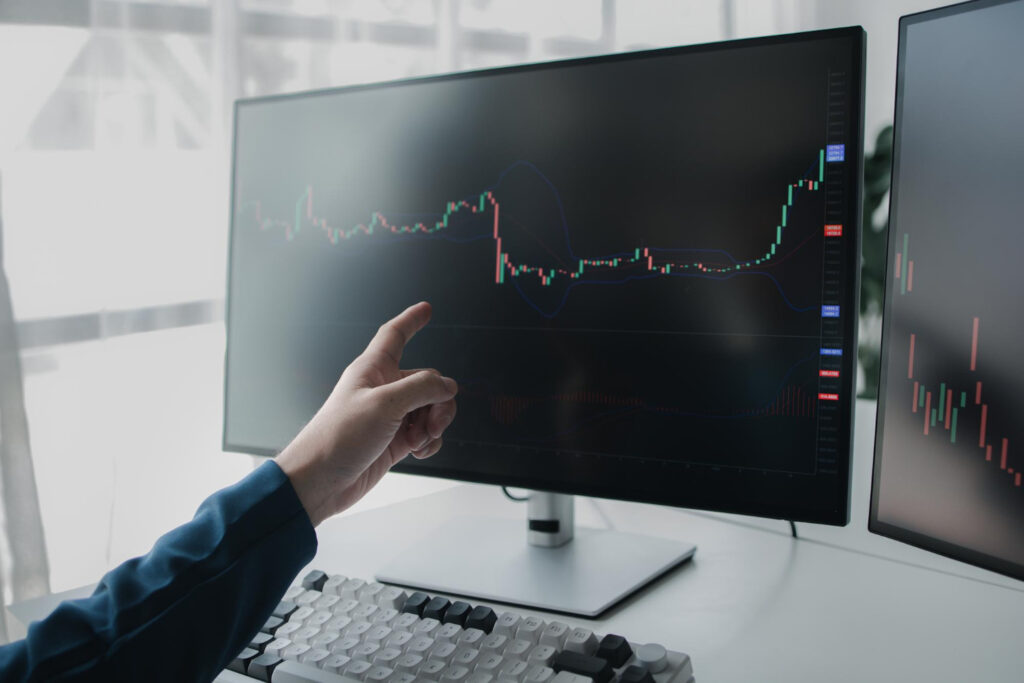
trading leverage can improve capital efficiency, but it also amplifies risk. Leverage is not a shortcut to returns—it is a risk multiplier. The safest approach is to understand the mechanics, size conservatively, and use strict stop conditions.
This guide explains trading leverage in practical terms, how leverage works in crypto markets, and what best practices make leverage survivable.
Table of Contents
What is trading leverage?
trading leverage is the use of margin to control a larger position than your account balance would normally allow. Higher leverage increases exposure per unit of capital, which increases sensitivity to price moves and increases liquidation risk.
What does leverage mean in trading and what is leverage trading?
Two common questions are what does leverage mean in trading and what is leverage trading. Both point to the same concept: leverage increases your exposure relative to your capital, which multiplies gains and losses.
Crypto leverage trading platform and risk controls
A crypto leverage trading platform offers margin or derivatives so you can trade with leverage. The key is not maximum leverage, but whether the platform supports controlled risk: clear liquidation rules, reliable execution, and tools to cap exposure.
That’s why searches like best crypto leverage trading platform should be evaluated by safety and transparency, not by marketing.
Leverage trading meaning and why it matters
leverage trading meaning is simple: it’s trading larger notional exposure than your capital by using margin. What matters is how quickly losses can grow. Even small adverse moves can become account-threatening if you oversize.
Leverage trading crypto and Bitcoin leverage trading
leverage trading crypto is popular because crypto markets are 24/7. But volatility spikes can create slippage and rapid drawdowns. Similarly, bitcoin leverage trading can feel safer due to liquidity, but leverage still amplifies risk. Conservative sizing remains essential.
How does leverage trading work?
how does leverage trading work? Mechanically, you post margin, open a leveraged position, and your P&L is calculated on the full position size. If losses consume margin below required thresholds, the platform can liquidate the position. That’s why stops and exposure caps matter.
Common mistakes (and how to avoid them)
- Oversizing: using leverage to trade bigger than your plan allows.
- No stop rules: hoping the market “comes back.”
- Scaling after wins: increasing leverage right before volatility spikes.
- Ignoring correlation: stacking multiple positions that behave like one big bet.
Monitoring routine (simple, but effective)
Operate trading leverage with a lightweight routine:
- Daily: check exposure, margin usage, and whether size matches your plan.
- Weekly: review outcomes and confirm costs and slippage assumptions remain realistic.
- After spikes: reduce size or pause when volatility changes abruptly.
Scaling routine (keep it boring)
If you want to increase leverage, do it slowly and only after a review cycle. Most blow-ups happen when traders increase trading leverage after wins and then meet a volatility spike. Reduce size first if conditions change; don’t “double down” on leverage.
Example: why position size matters more than leverage
Two traders can use the same leverage and have very different risk. If one trader uses small position sizes with strict stops, leverage can be manageable. If another trader uses large positions with no clear invalidation, even “moderate” leverage can become dangerous. The practical lesson is simple: size the trade first, then choose leverage that fits the risk.
This is also why comparing platforms by maximum leverage is misleading. What protects you is sizing, stop conditions, and a routine for pausing after drawdowns.
FAQ: quick answers
Is leverage trading crypto safe for beginners?
leverage trading crypto is usually not beginner-friendly unless leverage is kept very low and sizing is conservative. The safest path is to learn process on spot markets first.
As a practical rule, if you feel forced to use high leverage to make a trade “worth it,” the position is usually too large or the plan is too fragile.
Keep it boring and consistent.
If you want to improve outcomes, improve the process: size smaller, define invalidation clearly, and stop trading when limits are hit.
Operational checklist (before you use leverage)
- Define max loss: per trade and per day.
- Set invalidation: you know where the trade thesis is wrong.
- Cap total exposure: avoid stacking correlated positions.
- Know liquidation rules: understand margin and liquidation behavior.
- Plan for spikes: assume slippage during fast markets.
Where to start
If you want a structured overview of risk-first trading workflows, you can review this mid-article resource: Veles Finance trading leverage guide.
Conclusion
trading leverage can be useful when you treat it as a controlled tool: conservative sizing, clear stop conditions, and strict exposure caps. Whether you evaluate a crypto leverage trading platform, explore leverage trading crypto, or ask how does leverage trading work, the foundation remains the same: risk first, then leverage.
For broader tools and education around disciplined trading workflows, see Veles Finance.