
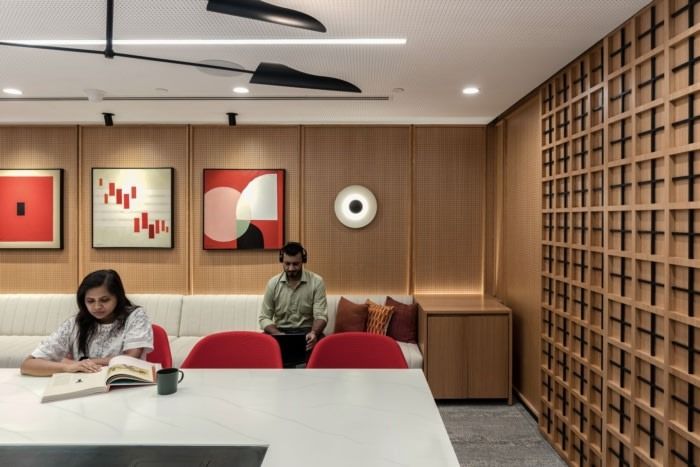
The language of employee wellbeing has become a standard feature of corporate communication in Mumbai. HR presentations discuss work-life balance with increasing sophistication. Benefits packages list gym allowances, mental health app subscriptions, and access to Employee Assistance Programs. Town hall presentations include slides about the company’s holistic commitment to the health of its people. The vocabulary has matured considerably over the past five years.
The implementation, however, remains deeply uneven across the corporate landscape. And the gap between what companies say about employee health and what they actually do to structurally support it is, for many employees, a source of frustration that erodes trust in corporate wellbeing programs generally.
A gym allowance that requires three forms of approval, expires if not claimed within a quarterly window, and is processed through an HR portal that takes two weeks to respond is not a wellness benefit. It is a checkbox dressed as one. An EAP that lists a mental health support line nobody knows how to call is similar. The well-intentioned infrastructure exists, but the friction is high enough that most employees never benefit from it.
What actually changes employee fitness behaviour, according to research on corporate wellness program effectiveness, is not the existence of a benefit. It is the reduction of friction between intention and action. The employees who consistently use a gym allowance are overwhelmingly those for whom the gym is genuinely convenient, the membership activation process requires minimal effort, and the cultural signal from leadership is that taking an hour for training is a behaviour the organisation actually supports rather than merely tolerates.
This last point is more important than most HR teams recognise. Culture follows leadership behaviour more reliably than it follows policy. In an organisation where the senior team routinely schedules 8am meetings, works through lunch, and sends messages at 10pm, the implicit signal is that availability is valued over health. A gym allowance in that cultural context is noise rather than signal. Employees know what the organisation actually values, and it is not showing up at the gym at 6am.
The organisations getting this right in Mumbai in 2026 have moved beyond policy toward environmental design. They have asked a different question: not what benefits should we offer, but what would make it structurally easy for our people to maintain their physical health alongside their professional responsibilities?
Proximity is the most powerful environmental lever available. A gym near Andheri West, Mumbai that is accessible during the early morning or at lunchtime for employees working in the surrounding commercial areas is a fundamentally more usable wellness benefit than a discount at a facility that requires planning and a cross-suburb commute. When the gym is ten minutes from the office, a lunchtime session becomes feasible. When it is forty-five minutes away, it requires a calendar commitment that most professionals in demanding roles will not sustain.
The second lever is leadership modelling. When senior leaders visibly and consistently prioritise their own physical health, when they talk about training the way they talk about important meetings, when they leave at a reasonable hour to be at the gym and return the next morning with the energy that regular training produces, the implicit permission for others to do the same follows. Policy creates permission in principle. Behaviour creates permission in practice.
The language of corporate wellbeing will continue to improve as the understanding of what it actually takes to support employee health matures. The organisations that do the environmental design work now, rather than waiting for the next benefits cycle, are likely to see the retention, engagement, and productivity benefits that wellbeing-as-policy rarely delivers.
To Sum Up
The measurement question is also worth raising. Most corporate wellness programs are evaluated on participation rates and employee satisfaction scores rather than on health outcomes. An employee who attends three corporate yoga sessions and reports feeling slightly less stressed has participated. Whether they are meaningfully healthier, more cognitively capable, or more resilient under pressure is rarely measured. The organisations that are serious about the return on their wellbeing investment are starting to measure differently: sick day frequency, productivity metrics, retention rates in high-stress roles, and manager ratings of cognitive performance. Those metrics tell a more honest story about whether the investment is producing the return the organisation is looking for.